
Your Guide to a 7 Day Whole Food Body Reset.

Why Your Body Might Need a Reset
We all know that feeling of persistent sluggishness or mental fog that coffee just can't seem to fix. It’s not just in your head. These are often signals from your body that it’s time for a break. A whole-food reset isn't about harsh restrictions or deprivation. Instead, think of it as a supportive, nourishing pause from the constant exposure to processed foods, refined sugars, and environmental stressors that define modern life.
.webp)
The goal here is not a quick fix for weight loss, but a meaningful opportunity to improve your overall well-being and reset your habits. It’s about giving your body the tools it needs to function optimally. This guide will walk you through how to reset your body with a structured 7 day detox plan, complete with simple recipes and science-backed tips to help you feel revitalized and clear-headed.
The Science Behind a Gentle Cleanse

Your body already has a sophisticated detoxification system, primarily run by the liver, kidneys, and intestines. Think of it as a highly efficient, built-in filtration plant that works around the clock. However, a diet heavy in processed foods, alcohol, and sugar can overload this system, much like a traffic jam slows down a city. This overload is often what leads to feelings of fatigue and bloating.
A whole-food cleanse supports this natural process. As a review in the Journal of Human Nutrition and Dietetics highlights, providing the body with specific nutrients can significantly aid its detoxification pathways. This is where whole foods come in. They supply the fiber, antioxidants, and hydration needed to amplify the efficiency of your body’s existing systems, like the crucial phase I and II enzymatic conversions in the liver.
Furthermore, the fiber from fruits and vegetables nourishes your gut microbiota. These beneficial bacteria are essential for intestinal health and play a direct role in eliminating waste. By focusing on whole foods, you are not introducing a foreign process but rather enhancing the incredible work your body already does. For more guidance on how diet impacts these systems, you can explore some of our other nutrition tips we've shared.
How to Prepare for Your 7-Day Reset
Success with any reset begins before day one. A little preparation can make the difference between feeling empowered and feeling overwhelmed. The first step is a gradual pre-detox taper. Instead of abruptly cutting out caffeine, refined sugar, and alcohol, reduce your intake over the week leading up to the cleanse. This simple step helps minimize common withdrawal symptoms like headaches and irritability.
Next, set yourself up for success with a well-planned shopping trip. Create a list organized by food groups: leafy greens, colorful vegetables, lean proteins, healthy fats, and gluten-free grains. Having a kitchen stocked with nourishing options, like those found in our vegetable-focused content, removes the temptation to reach for convenience foods. Finally, prepare mentally. Set a clear intention for your week. Why are you doing this? Write it down. Meal prepping a few key ingredients, like chopping vegetables or cooking a batch of quinoa, can also save you time and mental energy during the week.
| Day Before Cleanse | Action Item for Caffeine | Action Item for Sugar | Action Item for Processed Foods |
|---|---|---|---|
| Days 7-6 | Reduce intake by 25% (e.g., 1.5 cups instead of 2) | Swap one sugary snack for a piece of fruit | Replace one processed meal with a whole-food option |
| Days 5-4 | Reduce intake by 50% (e.g., 1 cup instead of 2) | Eliminate sugary drinks; use fruit for sweetness | Avoid packaged snacks and fast food |
| Days 3-2 | Reduce intake by 75% (e.g., ½ cup or switch to green tea) | Avoid all added sugars and artificial sweeteners | Focus on simple, home-cooked meals |
| Day 1 | No caffeine; switch to herbal tea | No added sugars; rely on whole fruits only | Eat only whole, unprocessed foods |
This tapering schedule is a guideline to help minimize withdrawal symptoms. Adjust based on your current consumption levels and how your body feels.
The Cleansing Phase: Days 1–3
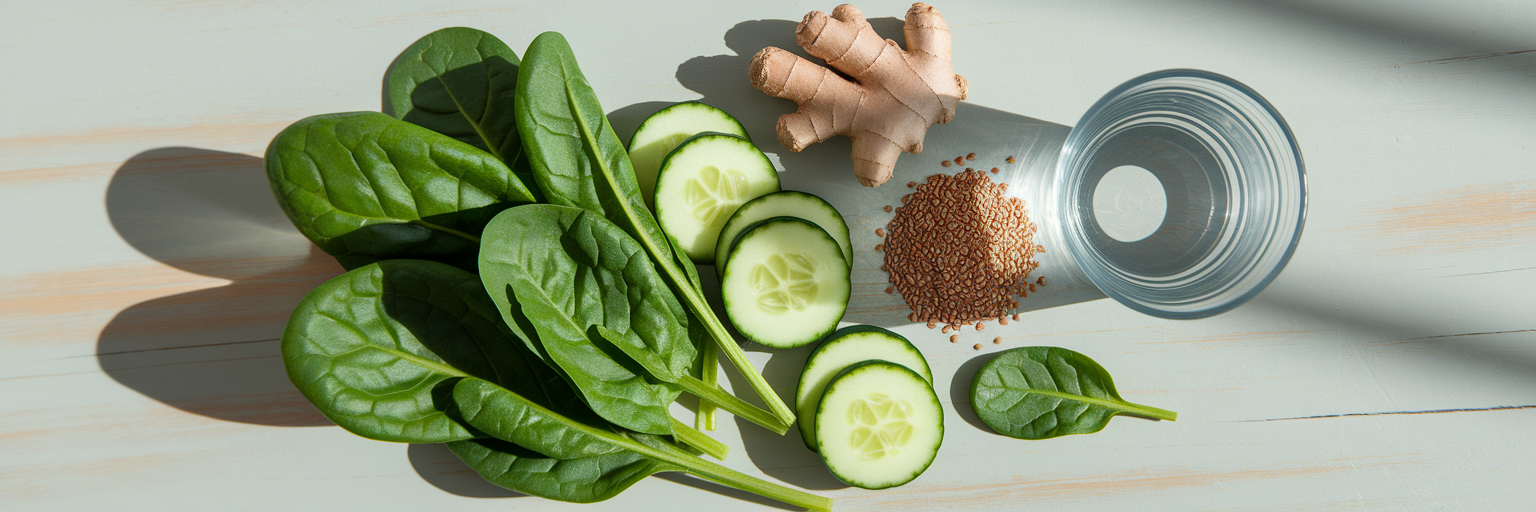
The first three days of your reset are focused on maximizing nutrient intake while giving your digestive system a gentle rest. The meals are simple, delicious, and packed with vitamins and minerals. These whole food cleanse recipes are designed to be easy to prepare, ensuring you can stick with the plan even on busy days.
Sample Day 1-3 Meal Plan:
- Breakfast: Green Detox Smoothie
- Lunch: Large mixed greens salad with chickpeas, cucumber, bell peppers, and a lemon-tahini dressing.
- Dinner: Steamed broccoli and carrots with a side of baked sweet potato.
A cornerstone of this phase is a nutrient-dense smoothie. Here is a simple recipe for a detox smoothie for energy that will start your day right:
Green Glow Smoothie Ingredients:
- 1 cup spinach or kale
- ½ green apple
- ½ cucumber
- 1 tbsp fresh ginger, grated
- Juice of ½ lemon
- 1 cup unsweetened almond milk or water
The spinach provides a powerful dose of antioxidants, while ginger offers anti-inflammatory benefits to soothe your system. If you find yourself hungry between meals, reach for simple snacks like a handful of almonds, apple slices, or celery sticks with hummus. For more variety, you can browse our other delicious smoothie recipes.
The Revitalization Phase: Days 4–7
As you move into the second half of the week, the focus shifts from cleansing to revitalization. The goal is to begin reintroducing more complex, hearty foods to build a sustainable, long-term eating pattern. You’ll likely notice your energy levels stabilizing as your body adjusts. This phase is about enjoying satisfying meals that continue to nourish you from the inside out.
Sample Day 4-7 Meal Plan:
- Breakfast: Green Detox Smoothie or a bowl of berries with chia seeds.
- Lunch: Lentil-Vegetable Soup with a side of mixed greens.
- Dinner: Grilled salmon with roasted asparagus and a serving of quinoa.
A warm, comforting soup is perfect for this phase. This Lentil-Vegetable Soup is packed with soluble fiber, which is excellent for digestive health and promoting satiety.
Simple Lentil-Vegetable Soup Ingredients:
- 1 cup brown or green lentils, rinsed
- 1 onion, chopped
- 2 carrots, chopped
- 2 celery stalks, chopped
- 4 cups vegetable broth
- 1 tsp dried thyme
- Salt and pepper to taste
During this phase, consider incorporating supportive beverages like dandelion-root tea, which has been traditionally used to support liver function. This is a great time to explore more healthy meal ideas we've created to inspire your cooking beyond the reset.
Maintaining Energy and Managing Challenges

It’s completely normal to face a few challenges during a cleanse. One of the most common concerns is low energy, especially in the first few days. This is often a sign that your body is adjusting. A successful natural body cleanse at home involves listening to your body, not fighting it. Here are a few strategies to stay on track:
- Balance Your Meals: Even on a cleanse, macronutrients matter. Ensure each meal contains a source of healthy fat (like avocado or olive oil), lean protein (like lentils or fish), and complex carbohydrates (like sweet potato or quinoa) to maintain stable blood sugar and energy.
- Prioritize Hydration and Electrolytes: Dehydration is a primary cause of fatigue. Drink plenty of water throughout the day. If you feel drained, add a splash of coconut water or a tiny pinch of sea salt to your water to replenish electrolytes.
- Listen to Your Body: If you experience a headache, it could be a sign of caffeine withdrawal or your body processing toxins. As iLiveActive.com discusses in its guide, these symptoms are often temporary. Instead of pushing through an intense workout, opt for gentle movement like walking or stretching. Rest is productive.
Integrating Your Reset into Everyday Life
The true value of this 7 day detox plan is not what happens during the week, but what you carry forward. Think of this reset as a catalyst for lasting change. As you transition back to your normal routine, do so mindfully. Reintroduce food groups like dairy or gluten one at a time, paying close attention to how your body feels. This is a powerful way to identify potential food sensitivities you may not have noticed before.
Hold on to the habits that made you feel good. Maybe it’s starting your day with a smoothie or consciously reducing your sugar intake. A pilot study by AdventHealth found that participants in a similar program reported clearer mental focus and reduced sugar cravings long after it ended. This reset is your opportunity to build a foundation for a sustained, healthier lifestyle. We invite you to continue your journey by exploring all the wellness resources on our site.
Post a Comment